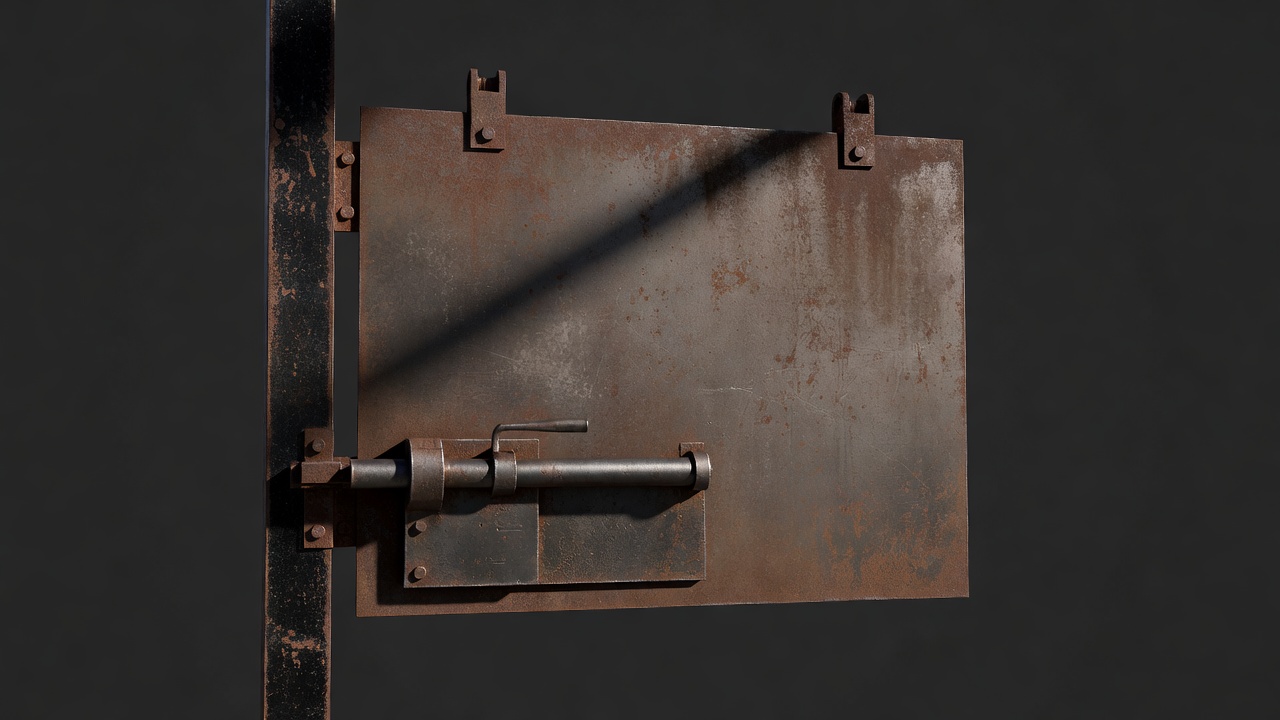
Separate abandonment from access
“Abandoned” describes an impression, not a legal status. A silent colliery, empty warehouse or disused furnace may still have an owner, an active maintenance programme and tightly controlled boundaries. Its lack of visible activity does not create permission to enter. Nor does an online photograph establish a safe or lawful route.
Industrial heritage tourism is most useful when it begins with a managed encounter: a museum, a designated public landscape, or an explicitly authorised guided experience. These settings can explain why a dangerous opening has been sealed, why one machine remains outdoors and another is protected, or why a particular building cannot be visited. Limits are part of the interpretation, not an obstacle to it.
A guide’s historical knowledge and a site operator’s authority are different things. Before committing to an experience, establish who operates the visit, whether the owner has authorised it, and exactly which areas are included. An independent walk around public streets beside a former works does not imply admission to the works itself.
Read the access status precisely
Words such as “open”, “park” and “heritage site” can conceal substantial differences. At a large industrial landscape, some paths may be publicly accessible while machinery, elevated walkways and buildings remain controlled. A museum ticket may cover exhibitions but not a specialist tour. Check the current operator’s description rather than treating the whole site as one accessible space.
- Managed admission
- Use the operator’s designated entrance, conditions and current visitor information.
- Public landscape
- Follow designated public routes; nearby structures may remain restricted.
- Authorised event
- Permission is specific to the stated activity, area and conditions.
- No stated access
- Do not enter. Seek clarification from the responsible organisation.
The Zollverein complex in Essen and Landschaftspark Duisburg-Nord show how former production sites can become layered visitor landscapes. Their official information, not a third-party description, should determine your plans. The Ironbridge Gorge Museum Trust similarly operates distinct museums within a wider historic landscape; access to one part should not be assumed to cover another.
Ask route-specific questions
Describe your needs in terms of the actual route. Ask about distance, gradients, loose surfaces, stairs, low light, noise, seating and toilets. If you use a mobility aid, need step-free access or benefit from a quiet space, ask what is available on the particular experience you are considering. A general accessibility statement is a starting point, not always a complete answer.
Underground visits deserve especially careful preparation. At the Big Pit National Coal Museum, consult the museum’s current underground-tour conditions before travelling. At the National Coal Mining Museum for England, read the current visitor guidance for the experience you intend to join. Requirements at one mining museum cannot safely be transferred to another.
- Confirm the exact arrival point and the parts of the site included.
- Ask about age, health, equipment and clothing requirements.
- Check photography rules and whether demonstrations are planned.
- Ask how route changes and cancellations are communicated.
- Check assistance arrangements and discuss evacuation needs in advance.
These questions do not make an experience risk-free. They help the operator explain its provisions and help you decide whether the route suits you. Do not substitute this guide for instructions given by responsible staff.
Make attention your contribution
Once inside, follow the designated route, remain with the group where required, and do not touch controls, climb equipment or collect fragments. Rusted metal can retain sharp edges; a stable-looking floor can conceal voids. Never bypass a barrier to improve a photograph. Industrial contamination, asbestos, unstable structures and confined spaces require specialist assessment, not visitor improvisation.
A useful guided visit is not measured by how far beyond a boundary you travel. Ask why materials arrived at a certain level, where workers changed clothes, or which surviving structure explains the missing buildings. Notice what the guide can establish from evidence and what remains uncertain. Respect also extends to other visitors and nearby communities: avoid photographing identifiable people without permission, and do not treat surrounding homes as exhibits.
Finally, revisit the official information shortly before departure. Routes, demonstrations and building access can change because of maintenance, weather or conservation. We do not publish opening hours, availability or booking guarantees. Our role is to help you understand a visit, not to authorise it.